The Competitive Spice Shelf: Your Silent Salesperson
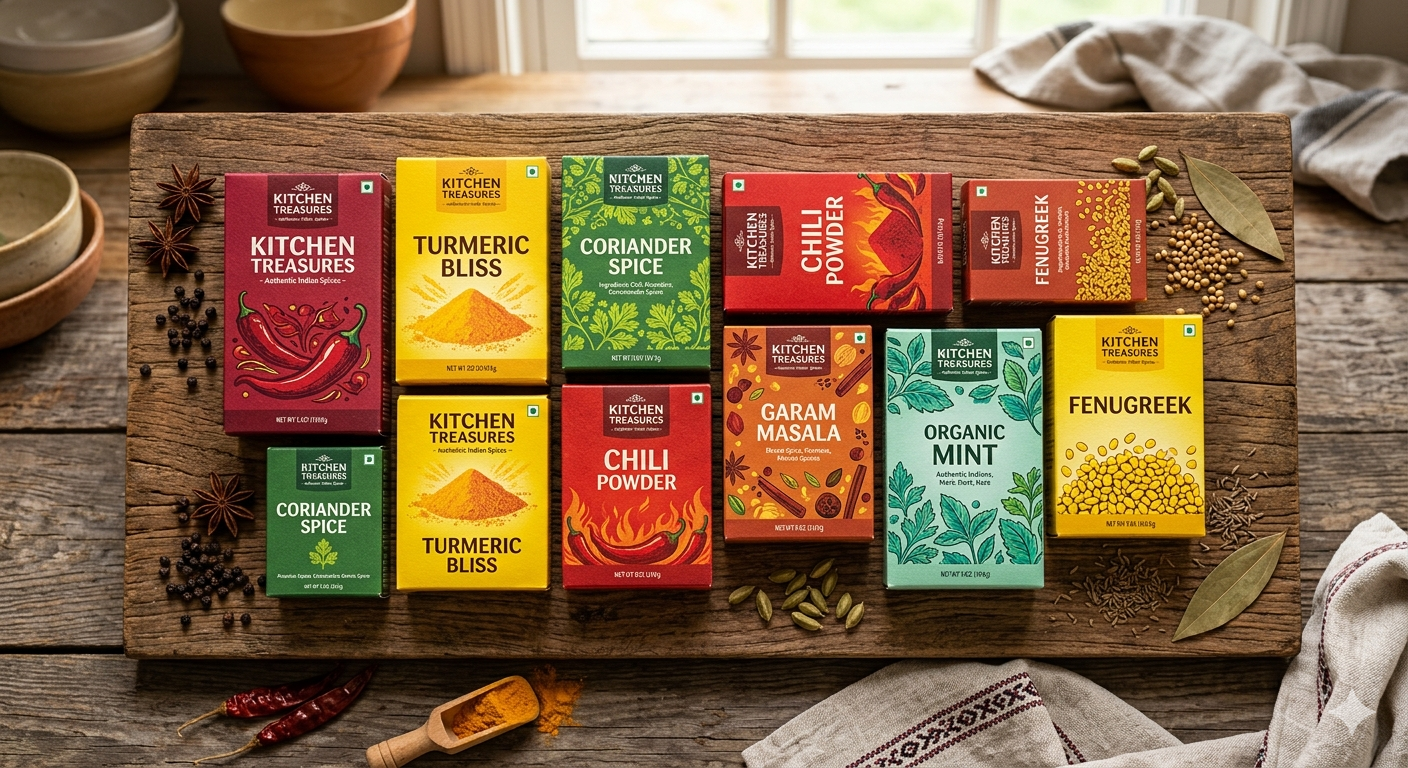
If you walk down the spice aisle of a supermarket in India, you are met with a dizzying explosion of reds, yellows, and earthy browns. In this environment, your packaging isn't just a container—it’s your salesperson.
At Laxmi Printograph, we’ve seen countless spice brands struggle with their packaging. In this guide, we break down the 5 critical mistakes brands make and how you can avoid them.
5 Mistakes Brands Make with Spice Carton Design
1. Weak Visual Contrast
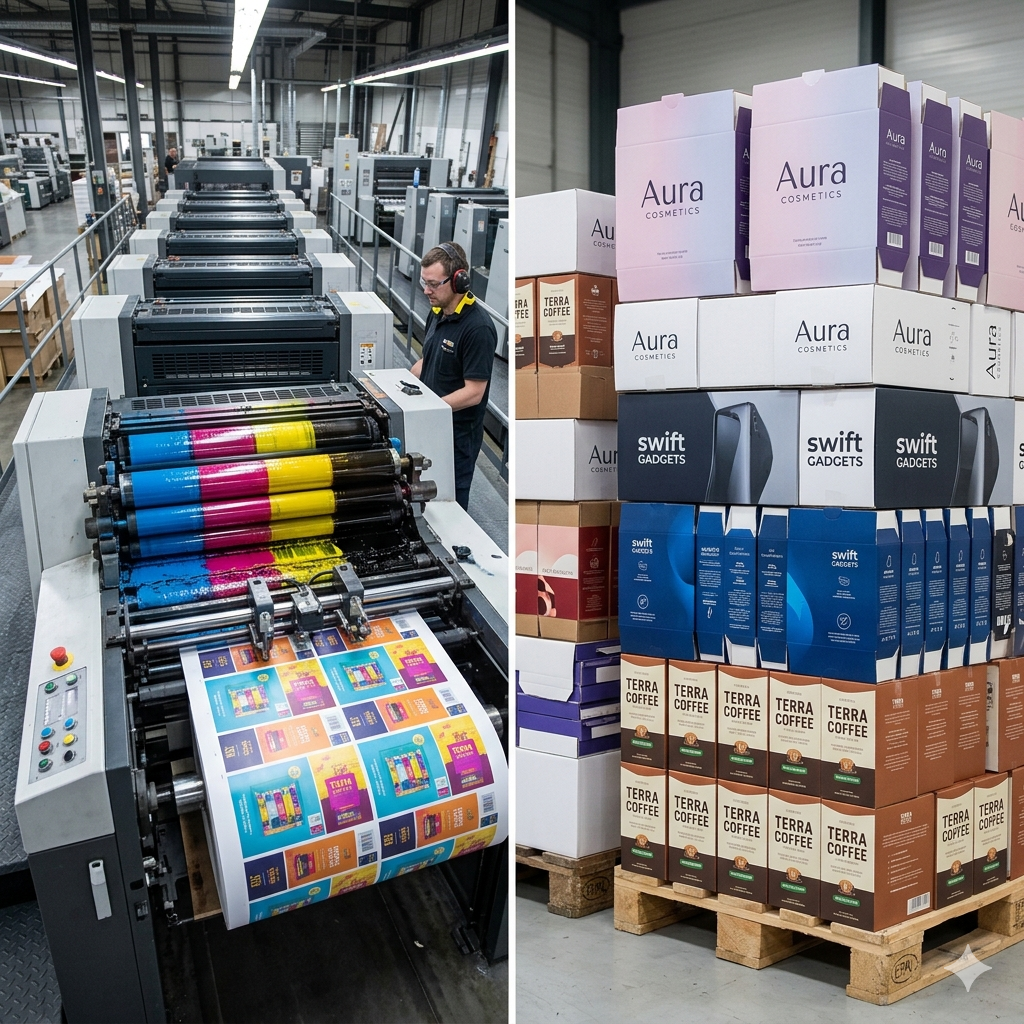
If everyone is using a generic "chili red," you need a red that pops—either through higher ink density (offset printing) or a distinct gloss finish.
2. Choosing the Wrong Board Grade
A flimsy 250 GSM duplex board will sag and lose its structural integrity, making your brand look cheap. Spice boxes need 270-300 GSM for that "premium" feel.
3. Ignoring the Moisture Barrier
Masalas are sensitive to humidity. Without a proper coating (like aqueous or UV coating), the box can become soft and damp in coastal regions.
Material Science: Duplex Board vs. White-Top
- Gray-Back Duplex Board: The economical choice for mass-market spices. Sturdy and reliable.
- White-Top (FBB) Board: For brands that want their colors to shine. Perfect for gourmet spices and export-quality products.
How MOQ 1000 Units Enables Scaling
We changed the game by offering an MOQ of 1,000 units. This allows small-scale masala manufacturers to test new blends and compete with national giants without massive upfront investment.
Ready to make your brand stand out on the shelf?
Get a design consultation and a free sample of our premium spice cartons today.
Request a Free Sample